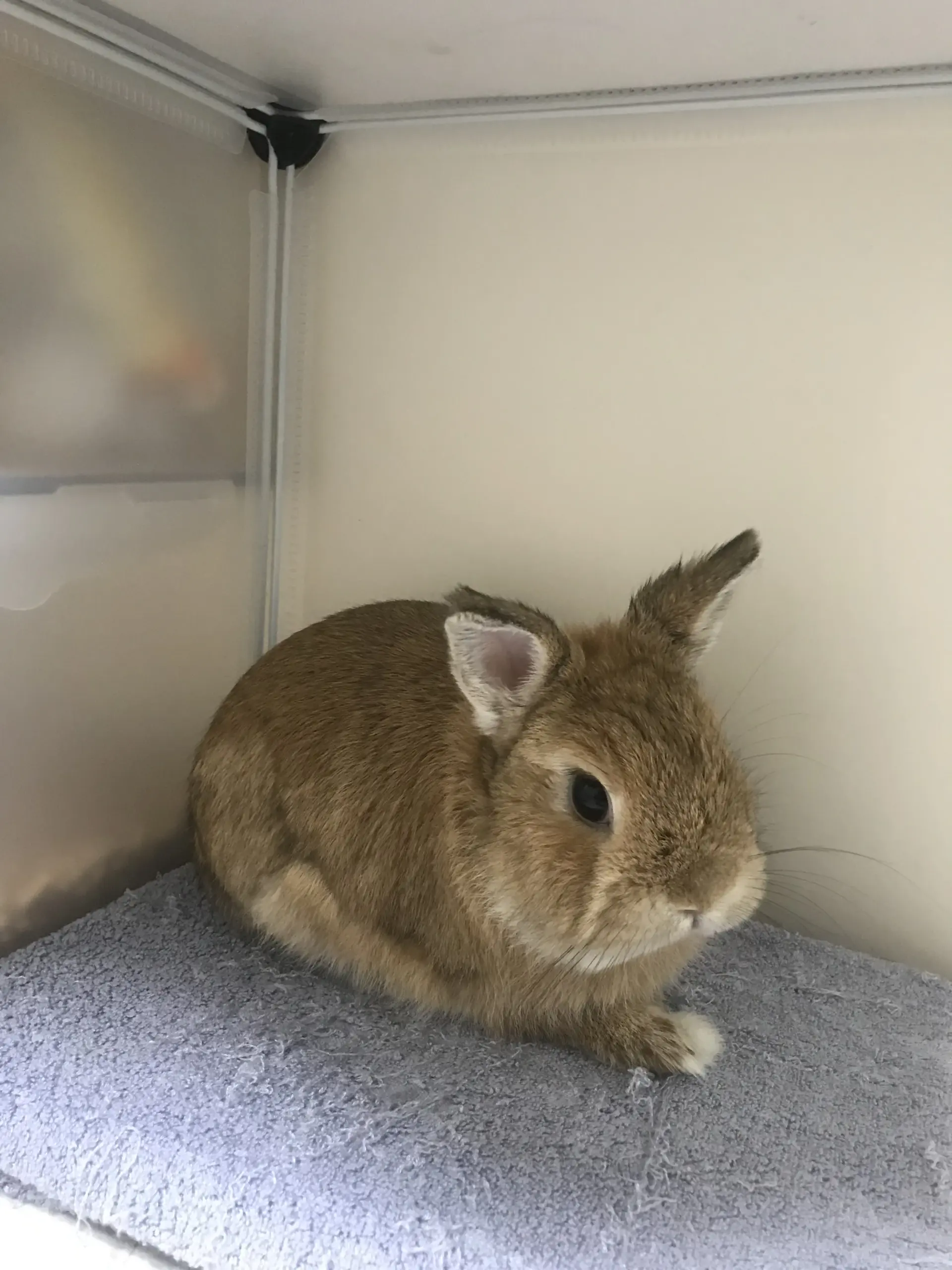
When I decided to neuter my Netherlands Dwarf rabbit, my biggest question wasn’t whether to do it — it was how much it would cost. I’d read wildly different numbers online, from $75 to over $600, and had no idea what was realistic.
Now, having gone through the entire process — blood test, consultation, surgery, recovery — I can share exactly what I paid and what you should budget for, whether you have a male or female rabbit.
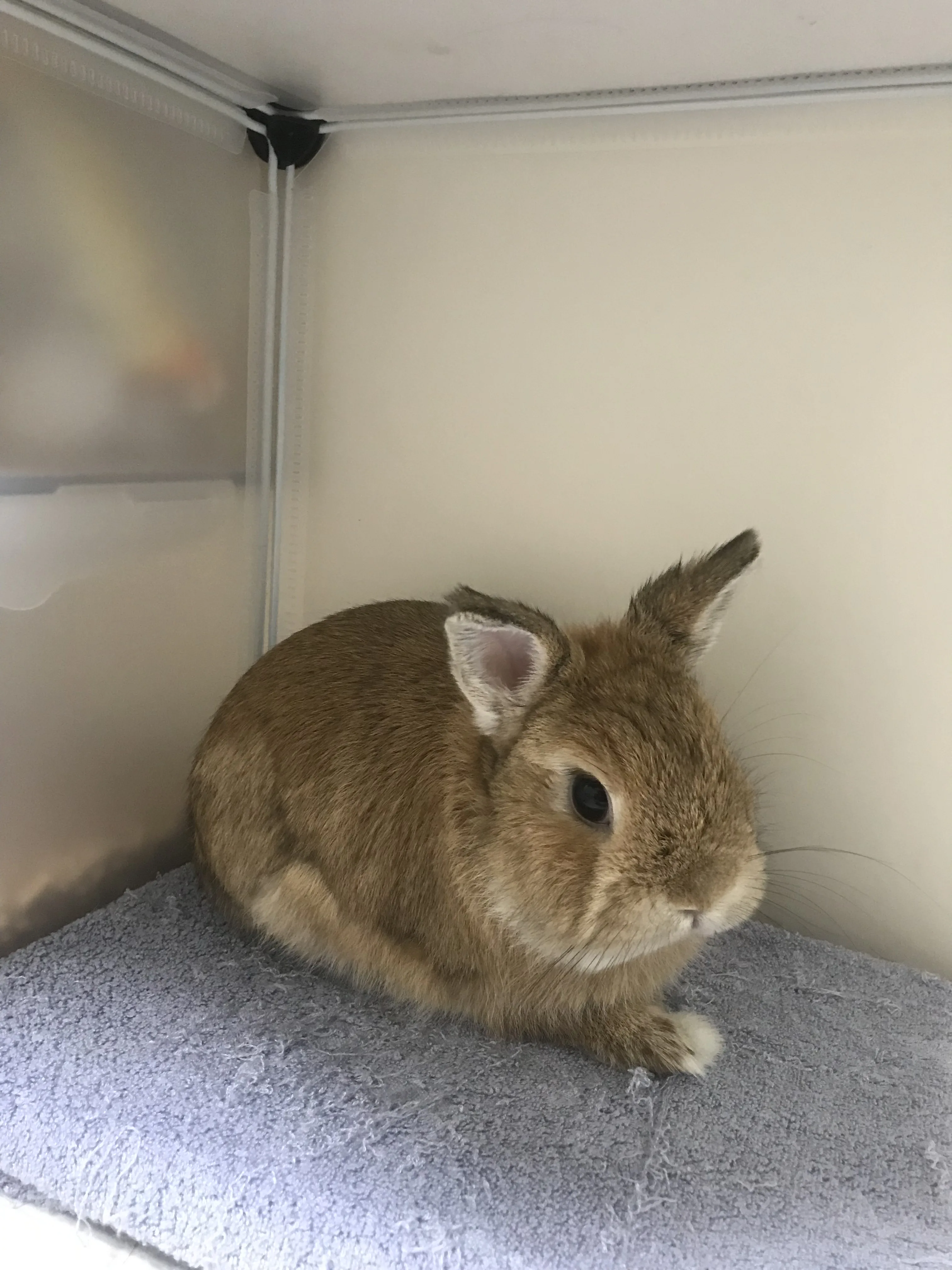
What I Actually Paid to Neuter My Male Rabbit
I paid about $150 (150,000 KRW — I’m based in South Korea). That covered the pre-surgery blood test, the consultation, the surgery itself, and the follow-up. No hidden fees, no surprises.
I had it done at a rabbit-specialized exotic animal hospital. This matters more than you might think. A general vet who “also sees rabbits” is not the same as one who operates on rabbits regularly. Rabbits are fragile under anesthesia, and experience makes a real difference in outcomes.
Choosing that hospital paid off in an unexpected way, too: the pre-surgery consultation turned into a two-hour rabbit-care masterclass — it’s where I learned everything I know about rabbit teeth.
I booked an appointment, brought my rabbit in for a blood test first to make sure he was healthy enough for surgery, had a consultation with the vet, and then scheduled the actual procedure. The whole process from first visit to surgery was about a week.
How Much Does It Cost to Neuter a Male Rabbit?
Male rabbit neutering is the simpler procedure. The testicles are external, so the vet makes a small incision, removes them, and closes up. No abdominal surgery required. That’s why it costs less.
Here’s what you can expect to pay by region:
- United States — $200 to $300 at a private exotic vet. Low-cost clinics and rescue programs can bring this down to $150 or even less in some areas.
- United Kingdom — £50 to £150, depending on the clinic and location.
- General range — Across most countries, male rabbit neutering typically falls between $150 and $350.
The price varies based on your location, the vet’s experience with rabbits, whether pre-surgery blood work is included, and the type of anesthesia used. Always ask what’s included in the quoted price before booking.
How Much Does It Cost to Spay a Female Rabbit?
Spaying a female rabbit is significantly more expensive because it’s a much more complex surgery. Unlike males, female rabbits require abdominal surgery — the vet opens the abdomen to remove the ovaries and uterus. It’s a longer procedure with higher anesthesia time and more surgical risk.
Expected costs by region:
- United States — $300 to $500 or more at a private exotic vet. Some specialty practices charge up to $600-$800 in high cost-of-living areas.
- United Kingdom — £80 to £250, with some clinics charging more for larger breeds.
- General range — Female spaying typically costs 1.5 to 2 times more than male neutering.
I have a male rabbit, so I didn’t go through the spaying process myself. But I researched it extensively when I first got my rabbit as a baby, because sexing young rabbits is notoriously difficult — I had to be prepared for either scenario.
When Should You Neuter Your Rabbit?
Most rabbit-savvy veterinarians recommend neutering between 4 and 6 months of age. Rabbits reach sexual maturity around 3 to 6 months depending on breed, and the ideal window is just before or shortly after that point.
- Males — Can be neutered as early as 3 to 4 months, once the testicles have descended. Most vets prefer 4 to 5 months.
- Females — Typically spayed at 4 to 6 months. Some vets prefer waiting until 6 months for smaller breeds.
I neutered my rabbit at 7 months. That’s slightly later than the typical recommendation, but my vet confirmed he was perfectly healthy for the procedure at that age. I did it preventively — before any behavioral issues started — and I’m glad I didn’t wait longer.
Why Neuter Your Rabbit? The Real Reasons
Cost is important, but understanding why you’re spending this money matters just as much. Here’s what neutering actually does:
For Male Rabbits
- Prevents spraying — Unneutered males spray urine to mark territory. It smells terrible, and it gets everywhere — walls, furniture, you. My rabbit was neutered before this started, and he has never sprayed once.
- Reduces aggression — Hormonal male rabbits can become aggressive, lunging and biting. Neutering significantly calms this behavior.
- Easier litter training — Neutered males are much more consistent with using their litter box.
- Enables bonding — If you ever want to pair your rabbit with another, neutering is essentially mandatory. Unneutered males will fight or breed constantly.
For Female Rabbits
- Prevents uterine cancer — This is the big one. Studies show that 60% of unspayed female rabbits develop uterine adenocarcinoma by age 3, rising to as high as 80% by age 5 to 6. Spaying completely eliminates this risk by removing the uterus and ovaries. For female rabbits, spaying isn’t just about behavior — it’s a life-saving procedure — and one of the biggest levers in how long a rabbit lives.
- Stops false pregnancies — Unspayed females can experience hormonal cycles that cause nest-building, fur-pulling, and mood swings.
- Prevents bloody discharge — Intact females can have uterine bleeding that’s often mistaken for a period (rabbits don’t actually menstruate — bloody discharge is a sign of a uterine problem).
What Recovery Looks Like
My male rabbit’s recovery was remarkably fast. On the day of surgery, he was understandably subdued — quiet, not moving much, clearly uncomfortable. I kept him in his cage with soft bedding and made sure he had water and hay within easy reach.
By the next morning? Completely normal. Eating, hopping around, acting like nothing had happened. I was honestly surprised at how quick the turnaround was.
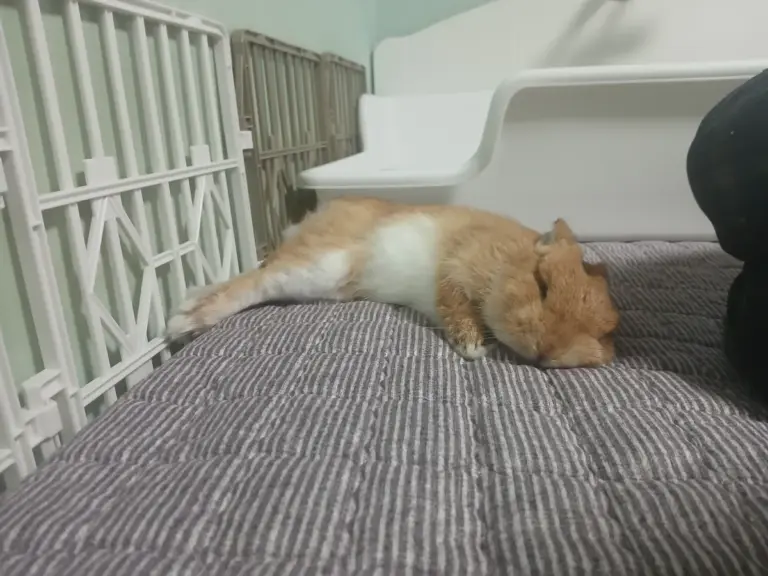
Male neutering recovery is typically faster because the surgery is less invasive. For females, expect 3 to 7 days of reduced activity since abdominal surgery takes more time to heal. Your vet will likely prescribe pain medication for the first few days regardless of sex.
A few things to watch during recovery:
- Eating — The most important indicator. If your rabbit isn’t eating within 12 hours of surgery, contact your vet immediately. GI stasis is a real risk after any procedure.
- Incision site — Check daily for swelling, redness, or discharge. A small amount of swelling is normal for the first day or two.
- Activity level — Some reduction is normal for 24 to 48 hours. If your rabbit is still lethargic after 3 days, call your vet.
How to Save Money on Rabbit Neutering
If the cost feels steep, here are some legitimate ways to bring it down:
- Rabbit rescue organizations — Many rescue groups offer low-cost spay/neuter programs or can refer you to vets who give discounted rates for rescue-adopted rabbits.
- Veterinary schools — Teaching hospitals sometimes offer reduced-rate surgeries performed by supervised students.
- Low-cost spay/neuter clinics — Organizations like the House Rabbit Society maintain directories of affordable options in the US.
- Ask about package pricing — Some vets offer a package that includes the blood test, surgery, and follow-up visit at a lower combined price.
One thing I wouldn’t recommend: choosing a vet solely based on the lowest price. Rabbit surgery requires exotic animal expertise. A cheaper vet who rarely handles rabbits is a bigger risk than a pricier one who does it every week. This is one area where experience genuinely matters.
Is Rabbit Neutering Worth the Cost?
Without hesitation, yes. My rabbit is calmer, cleaner, and healthier because of it. The $150 I spent has paid for itself many times over in avoided behavioral problems and peace of mind.
For female rabbits, it’s not even a question — the uterine cancer statistics alone make spaying a medical necessity, not an optional procedure.
If you’re on the fence, just book the consultation. Talk to a rabbit-savvy vet, get a quote, and go from there. Your rabbit will thank you — even if they don’t show it the day after surgery.