Rabbits are extremely sensitive to heat. Their normal body temperature sits around 38–40°C (100–104°F), and unlike dogs or cats, they can’t pant efficiently or sweat to cool down. For small breeds like Netherlands Dwarfs, heat stroke can happen faster than you’d expect — sometimes within minutes if conditions are bad enough.
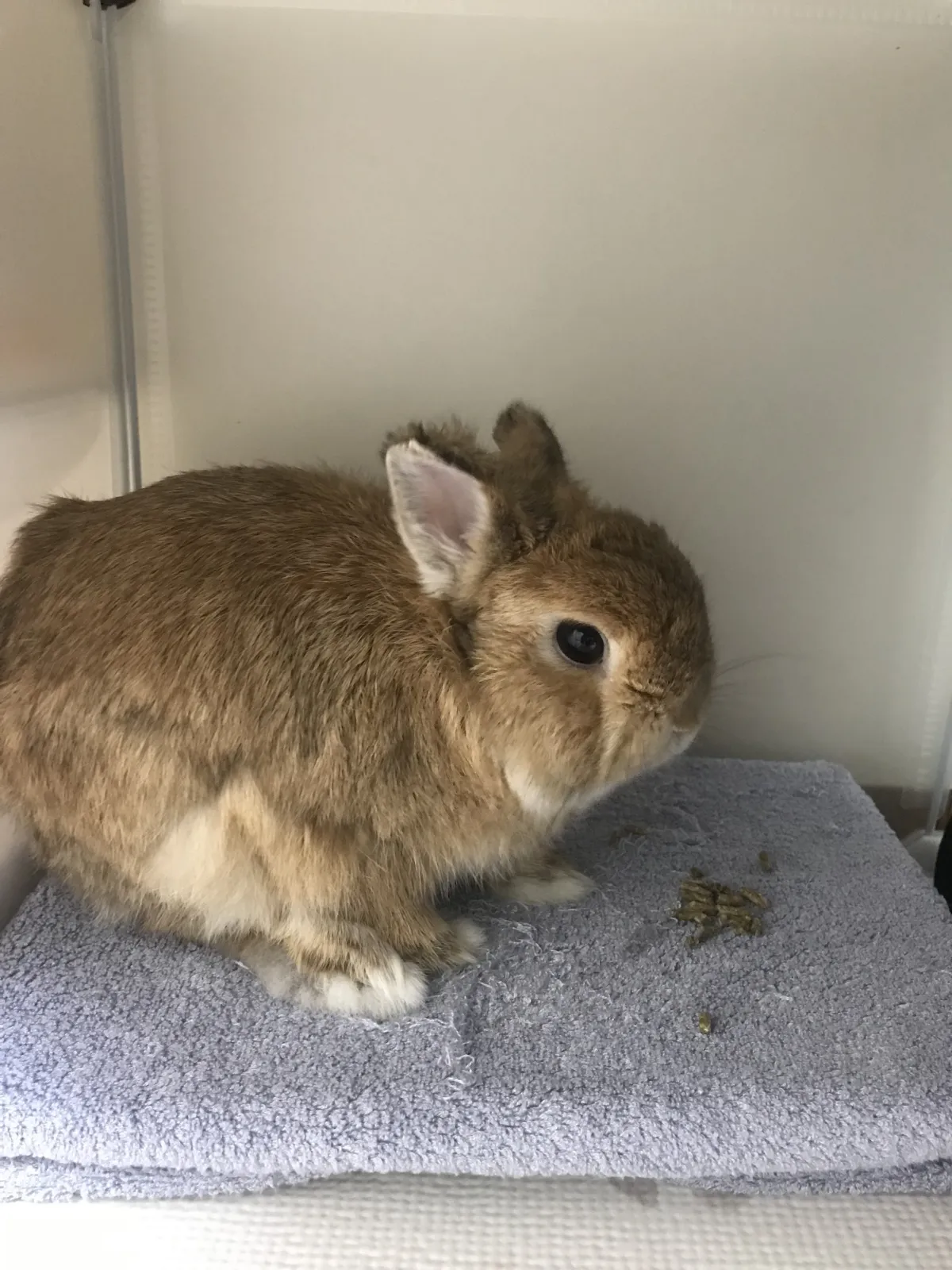
I’ve been raising a Netherlands Dwarf rabbit for over two years, and he’s never had heat stroke. Not because I got lucky, but because I set up a simple cooling system that I use every summer. In this post, I’ll explain how heat stroke happens, what signs to watch for, and the exact cooling setup I use daily.
Why Rabbits Overheat So Easily
Rabbits regulate body heat mainly through their ears. The large surface area and thin blood vessels in their ears allow heat to escape — but only when the surrounding air is cooler than their body. When room temperature climbs above 28–30°C (82–86°F), this system stops working effectively.
Other factors that increase the risk:
- Thick fur — Rabbits can’t shed heat through their skin the way humans do. Their fur acts as insulation, which is great in winter but dangerous in summer.
- Limited cooling options — Rabbits don’t sweat. They don’t pant well. Their only real cooling mechanism is their ears, and that has limits.
- Humidity — High humidity makes it even harder for rabbits to release heat through their ears.
Signs of Heat Stroke in Rabbits
I’ve never had to deal with heat stroke myself, but these are the warning signs every rabbit owner should know:
- Rapid breathing with mouth open — Rabbits normally breathe through their nose. Open-mouth breathing is an emergency sign.
- Hot ears that are bright red — Some ear warmth is normal (it’s how they cool down), but very hot, deep red ears mean they’re struggling.
- Lethargy and weakness — If your rabbit is lying flat and unresponsive, especially if they normally come to greet you, something is wrong.
- Drooling or wet nose — Unusual moisture around the mouth or nose can indicate heat distress.
- Confusion or stumbling — Loss of coordination is a late-stage sign. At this point, you need a vet immediately.
If you see any of these signs, move your rabbit to a cool area immediately, wet their ears with cool (not cold) water, and get to a vet. Don’t use ice water — the sudden temperature change can cause shock.
My Cooling Setup: Ice Pack + Stainless Steel Mat + Towel
I’ve tried a few approaches over the years and settled on a simple three-layer system that works reliably. Here’s what you need:
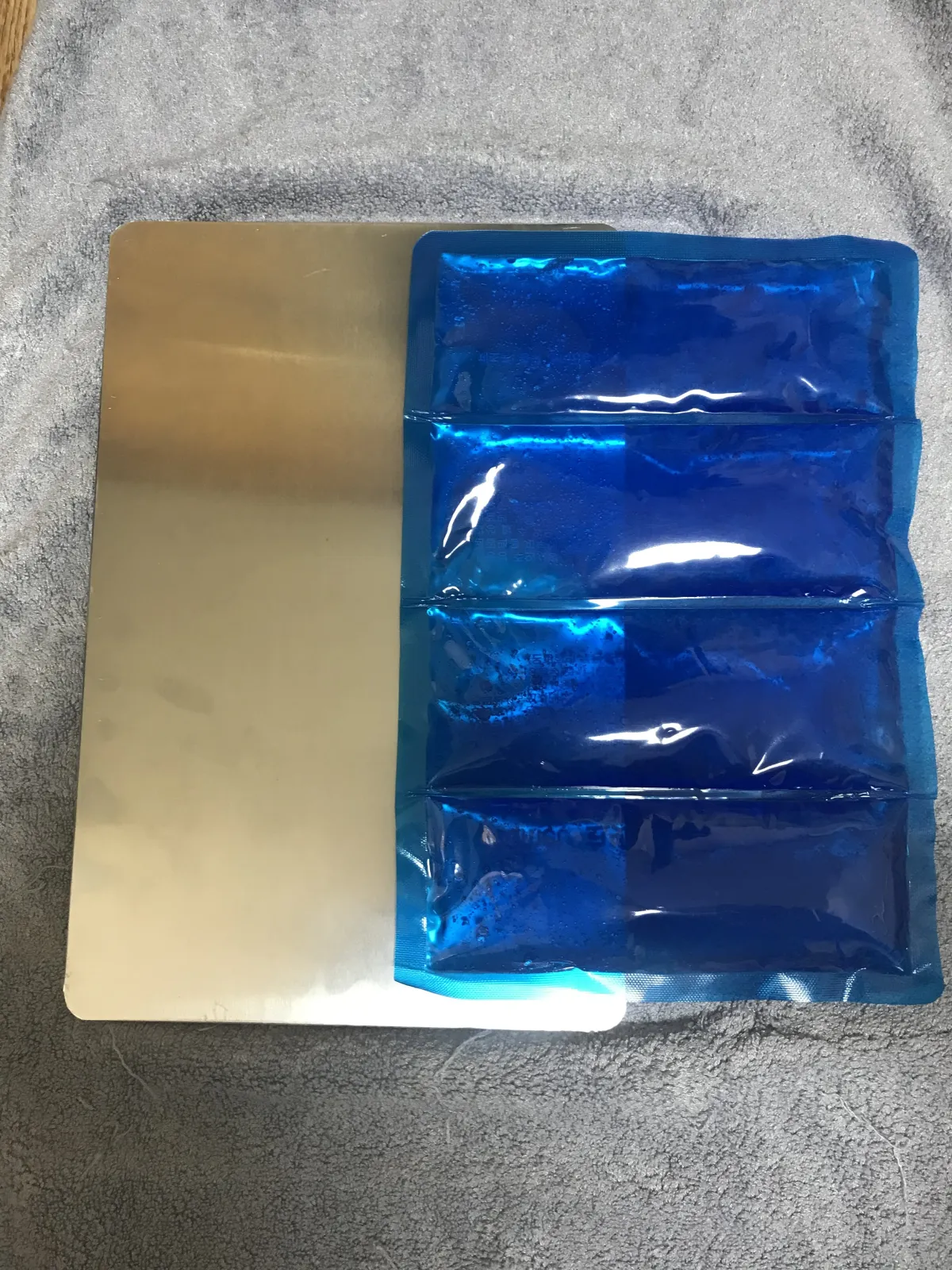
- Gel ice pack — I use a standard reusable gel ice pack. Freeze it for about 1 hour before use. You don’t need it rock-solid — partially frozen works fine and lasts longer.
- Stainless steel cooling mat — This goes on top of the ice pack. The metal conducts cold from the ice pack and gives your rabbit a cool surface to sit on. I prefer stainless steel over aluminum because it’s more durable and easier to clean.
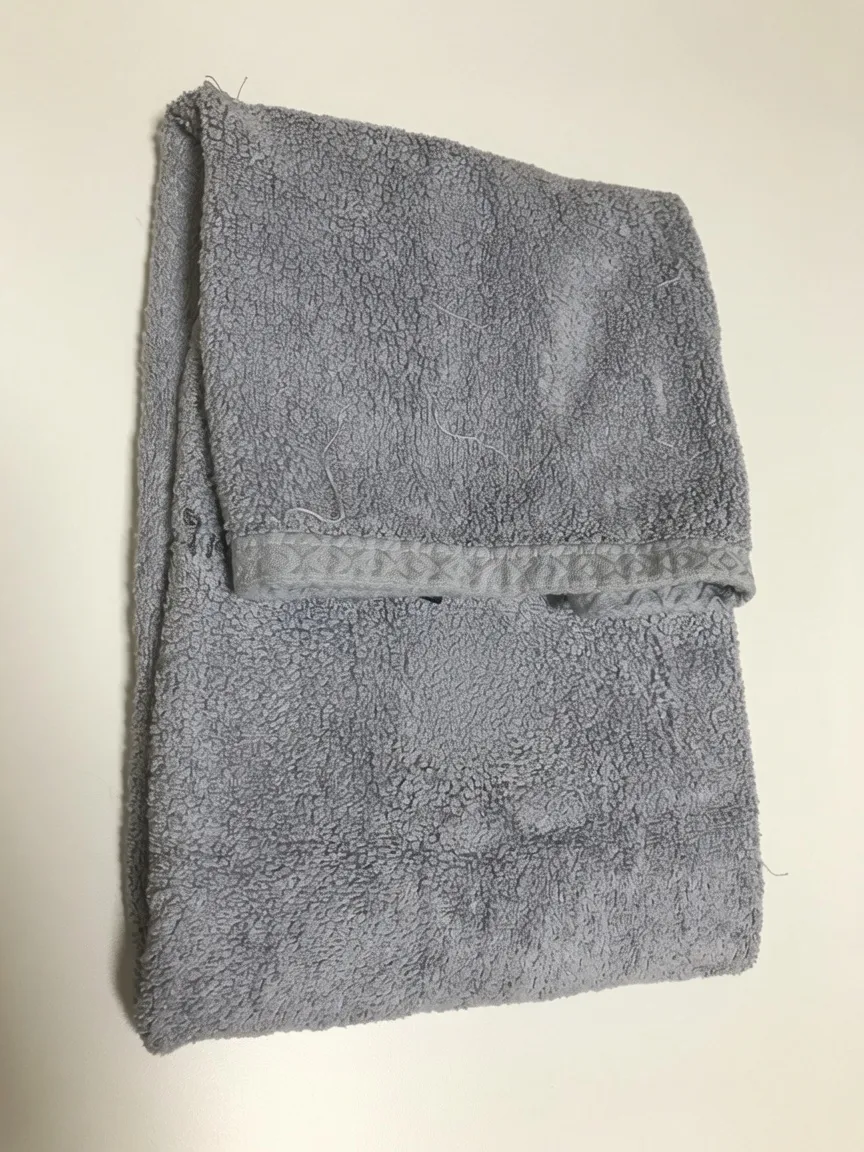
- Towel — Wrap both the ice pack and the mat together in a towel.
Why the Towel Matters
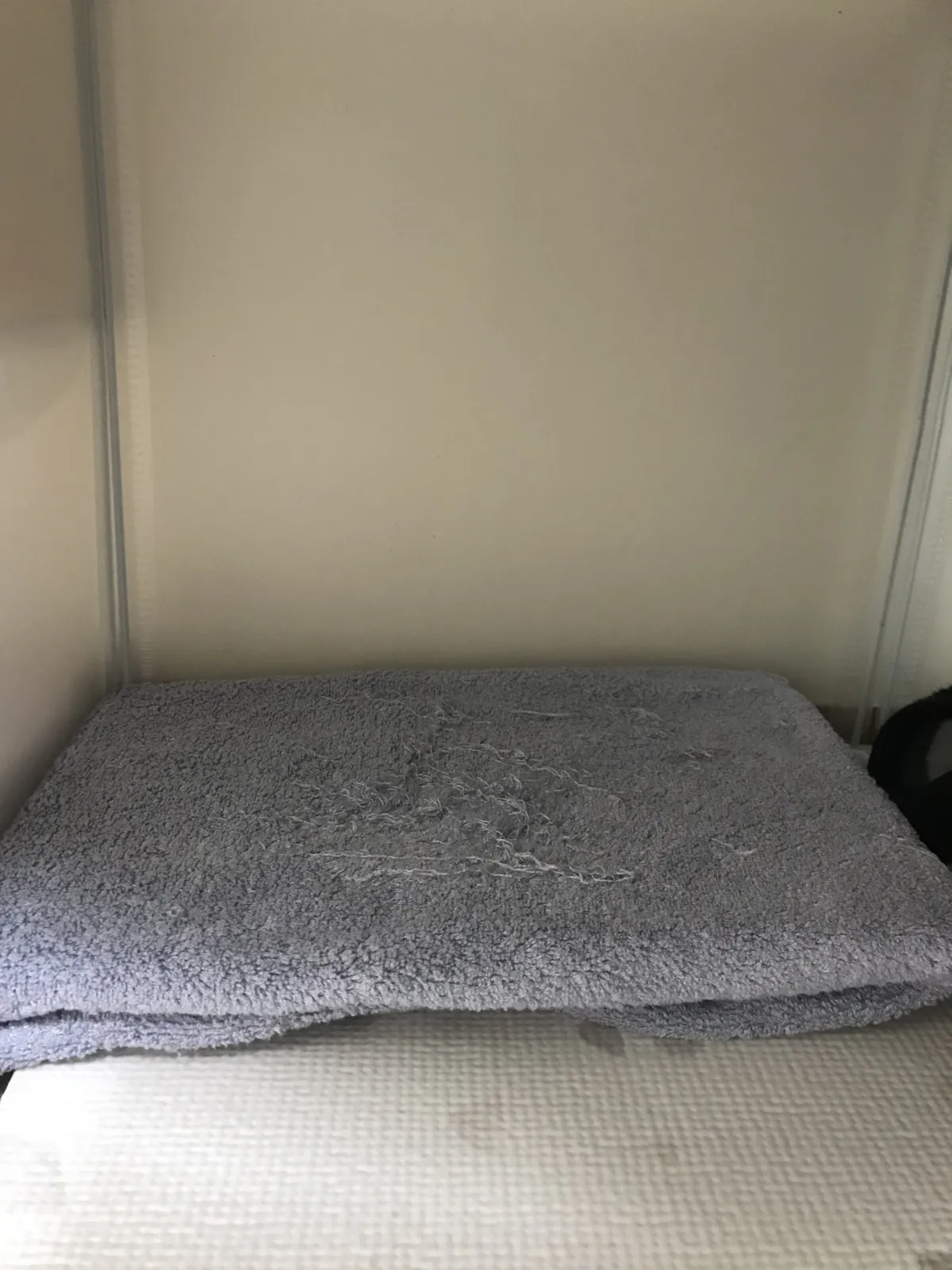
The towel serves two purposes. First, it prevents your rabbit from sitting directly on the freezing metal, which could be too cold and uncomfortable. Second — and this is something I learned the hard way — rabbits love to dig and scratch at fabric. If the towel edges are exposed and loose, your rabbit will grab them with their claws and shred the towel apart.
My solution: fold the towel so the edges face downward, toward the floor. This way, your rabbit sits on the smooth folded surface and can’t easily grab the edges to pull them apart. If the edges still stick out, use a clip to hold them together underneath.
How Often I Swap the Ice Pack
I do this twice a day — once in the morning and once at night. Each ice pack stays cool for several hours after being frozen for about an hour. On extremely hot days, I’ll swap it a third time in the afternoon.
I keep two ice packs so one can freeze while the other is in use. This way there’s no gap in cooling.
Room Temperature: 26–28°C Is Fine
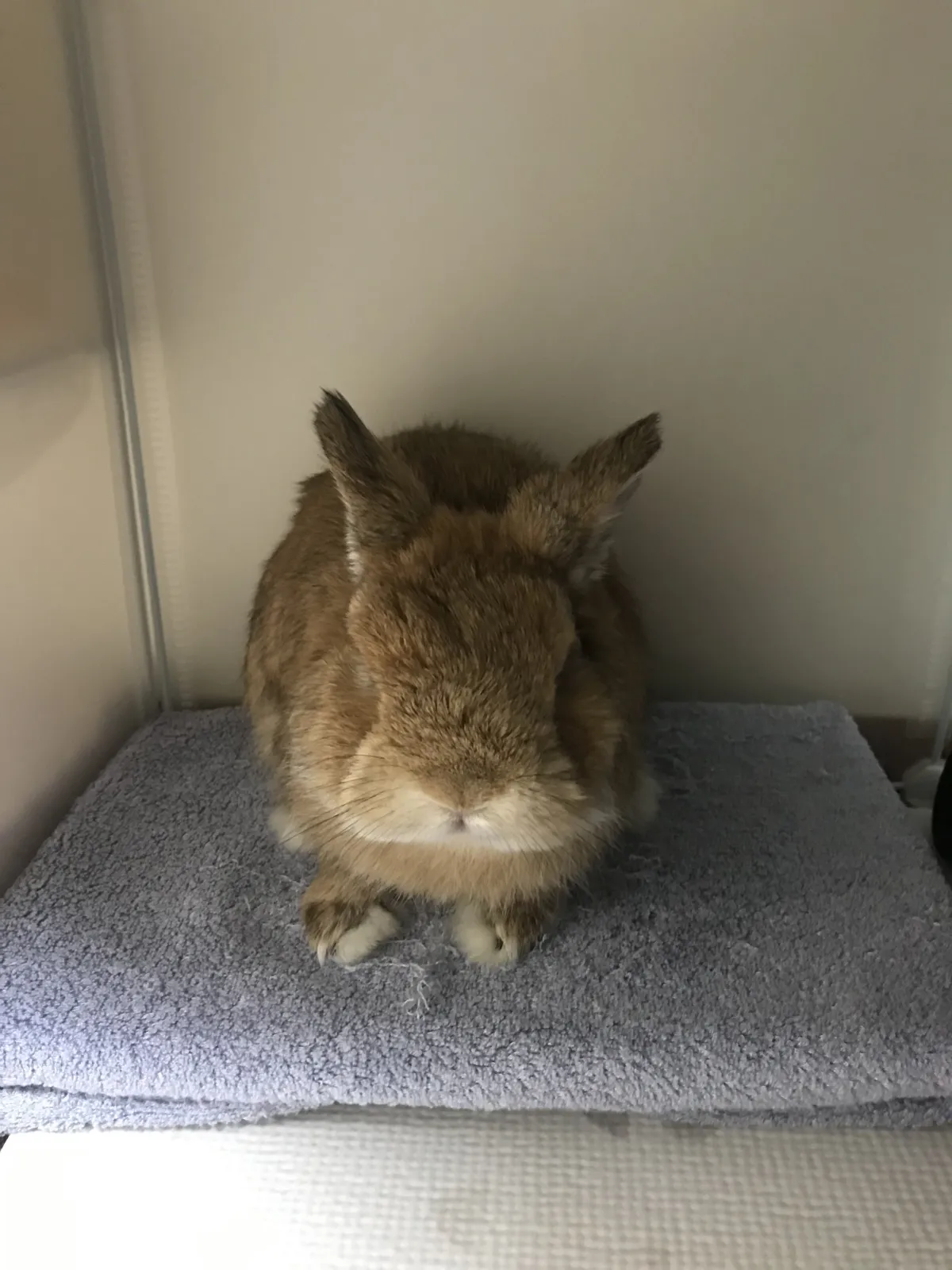
A lot of rabbit care guides say to keep the room below 22°C (72°F), which honestly isn’t realistic for most people without running the AC all day. From my experience, 26–28°C (79–82°F) is perfectly fine as long as your rabbit has access to a cooling setup like the one I described.
Here’s why: a rabbit’s normal body temperature is around 38–40°C. As long as the room is well below that and they have a cool surface to lie on when they want, they can regulate just fine. I keep my room at about 28°C with air conditioning and haven’t had any issues in two summers and counting.
That said, never let the room go above 30°C. That’s when the risk gets real, even with a cooling mat.
Other Tips That Help
- Fresh water, always full — Dehydration makes heat stroke much more likely. I use a large semi-automatic water dispenser (~3L) so the bowl is never empty — full review of my water setup in that post.
- Keep the cage out of direct sunlight — Even with AC, a sunbeam hitting the cage can raise the temperature inside it significantly.
- Frozen treats — I occasionally give small pieces of freeze-dried papaya and pineapple as a frozen treat. It’s not a substitute for a proper cooling setup, but it helps and they love it.
- Grooming — Removing loose fur in summer reduces insulation. I brush my rabbit every other day during shedding season.
What About Electric Cooling Mats?
Electric pet cooling mats exist — they plug in and maintain a constant cool temperature without needing ice packs. I haven’t tried one myself yet, but I can see the appeal: no freezing, no swapping, consistent cooling. The downside is the cord (rabbits chew everything) and the cost.
If I do try one in the future, I’ll write a separate review. In the meantime, I’ve reviewed the non-electric mats I’ve actually owned — the fabric kind and this stainless one — in my rabbit cooling mat review. For now, this setup does the job: the stainless mat has been with us since day one, the ice pack is this summer’s upgrade that finally made it properly cold, and the total cost was still under $20.
When to See a Vet
Prevention is the goal, but if your rabbit does show signs of heat stroke:
- Move them to the coolest room immediately
- Wet their ears with cool (not ice-cold) water — this helps bring their temperature down through the blood vessels in their ears
- Place a damp towel over their body — don’t wrap them, just drape it
- Get to a vet as soon as possible — heat stroke can cause organ damage even if your rabbit seems to recover
Don’t wait to see if they improve on their own. Rabbits hide pain and distress instinctively. By the time they look visibly sick, things may already be serious.
Final Thoughts
Heat stroke is one of the most preventable causes of death in pet rabbits. You don’t need expensive equipment — an ice pack, a metal mat, and a towel is all it takes. The key is consistency: set it up every day during summer, keep the room temperature reasonable, and make sure water is always available.
My rabbit is now in his third summer without a single heat-related incident. That’s not luck — it’s a $20 setup and 5 minutes of effort twice a day.